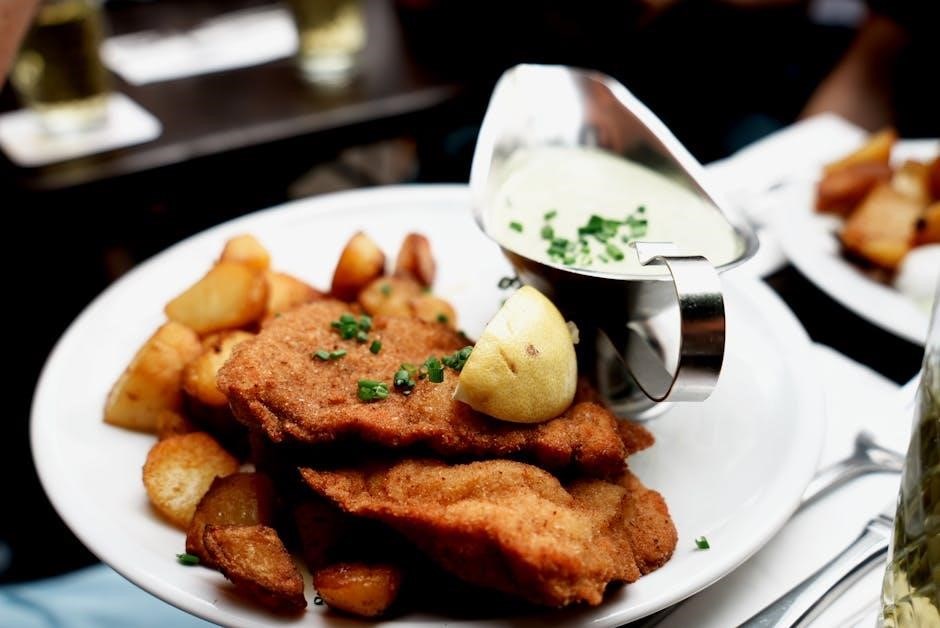
Pork Schnitzel Roll Cooking Instructions: A Comprehensive Guide
Embark on a culinary journey! This guide details crafting delectable pork schnitzel rolls, featuring thinly pounded pork, savory ham, and melted cheese, all fried to golden perfection․
Understanding Pork for Schnitzel
Selecting the right pork is paramount for achieving tender, flavorful schnitzel rolls․ Typically, hogs are slaughtered between six months and one year old, yielding the most desirable meat․ Look for pork that exhibits a grayish-pink hue, indicating freshness and quality․ The texture should be firm yet fine-grained, a sign of good muscle development and minimal connective tissue․
Crucially, well-marbled pork – meaning it contains intramuscular fat – contributes significantly to both flavor and juiciness during cooking․ This fat renders down, basting the meat from within and preventing dryness․ Pork loin is a popular choice, but ensure it’s adequately trimmed of excess fat before pounding․ Remember, the goal is a balance; some fat is essential, but too much can hinder the schnitzel’s crispness․
Understanding these characteristics will empower you to choose pork that transforms into exceptionally delicious schnitzel rolls․
Pork Quality and Selection
Prioritizing quality pork is fundamental to exceptional schnitzel rolls․ Seek out cuts with a pleasing grayish-pink color, avoiding any discoloration which suggests age or improper storage․ Firmness is key; the pork should spring back slightly when pressed, indicating freshness․ A fine grain texture signifies a younger animal and a more tender result․
Marbling, the intramuscular fat, is a crucial indicator of flavor and juiciness․ While some trimming is necessary, don’t remove all the fat – it’s essential for preventing dryness during frying․ Pork loin is a common choice, offering a lean base, but shoulder can also be used for a richer flavor, requiring more trimming․
Consider sourcing from reputable butchers who can provide information about the pork’s origin and quality․ Ultimately, selecting high-quality pork ensures a superior schnitzel roll experience․
Age and Color of Pork
The age of the hog significantly impacts tenderness․ Pork from animals between six months and one year old is generally considered optimal for schnitzel, yielding a delicate texture․ Younger pork tends to be more tender and flavorful, crucial for easily pounded cutlets․ Observing the color provides immediate clues to freshness․
Ideally, pork should exhibit a grayish-pink hue․ Bright pink can indicate freshness, but a dull or brownish tinge suggests aging and potential spoilage․ Avoid pork with any greenish discoloration, a clear sign of deterioration․ The color should be consistent throughout the cut, without dark spots․
Remember, color isn’t the sole indicator; firmness and smell are also vital․ However, a vibrant grayish-pink color is a strong starting point for selecting quality pork for your schnitzel rolls, ensuring a delicious outcome․
Marbling and Firmness in Pork
Marbling, the intramuscular fat, is key to flavor and juiciness․ Well-marbled pork delivers a richer taste and prevents the schnitzel from becoming dry during frying․ Look for fine, evenly distributed flecks of fat within the lean meat․ This fat renders during cooking, basting the pork from within․
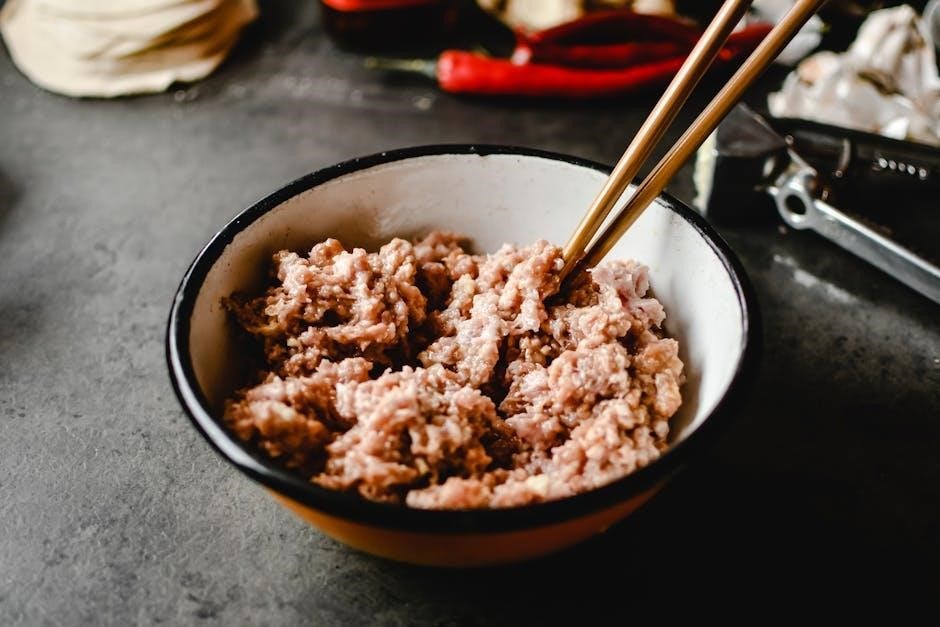
Firmness indicates freshness and quality․ Gently press the pork; it should spring back slightly, not feel mushy or overly soft․ A firm texture suggests good muscle tone and proper handling․ Avoid pork that feels slimy or sticky, as this indicates spoilage․
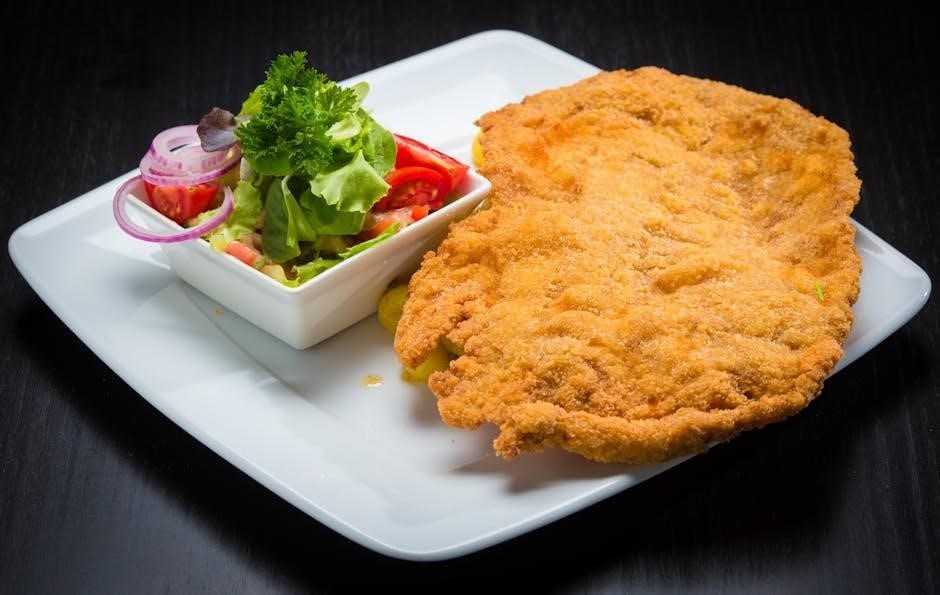
Combining good marbling with firm texture guarantees a tender, flavorful schnitzel roll․ These characteristics contribute to the overall enjoyment, ensuring a satisfying culinary experience․ Prioritize these qualities when selecting your pork!
Preparing the Pork
Begin with thoroughly rinsing the pork loin under cold water and patting it completely dry with paper towels․ This removes any surface moisture, crucial for achieving a proper sear during frying․ Next, carefully trim away any excess fat or silverskin, leaving a thin layer for flavor․
The pork needs to be sliced into cutlets, approximately ¼ inch thick․ Consistent thickness ensures even cooking․ These cutlets will then be gently pounded to an even thinner consistency – around ⅛ inch – preparing them for rolling․ This tenderizing process is vital for a delicate schnitzel․
Proper preparation is paramount․ It lays the foundation for a flavorful and texturally pleasing pork schnitzel roll․ Don’t rush this stage; attention to detail yields superior results!
Pounding the Pork Schnitzel
Place each pork cutlet between two sheets of plastic wrap – this prevents sticking and ensures even distribution of force․ Using a meat mallet, gently pound the pork, starting from the center and working outwards․ Avoid excessive force, which can tear the meat․ The goal is to achieve a uniform thickness of approximately ⅛ inch․
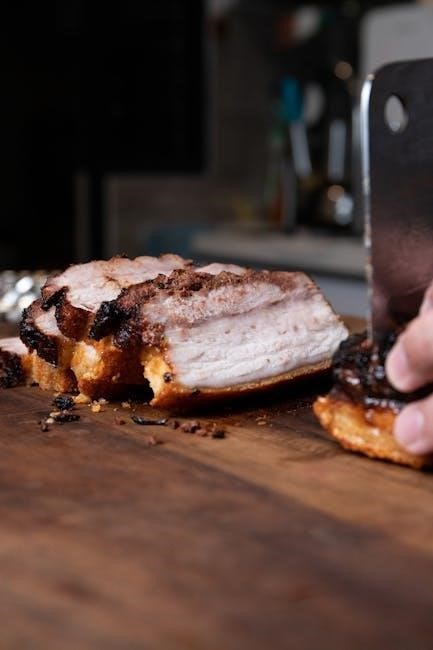
Consistent thickness is key for even cooking and a tender final product․ Rotate the cutlet as you pound, ensuring all areas receive equal attention․ A properly pounded schnitzel will be pliable and slightly translucent․ This process tenderizes the pork, creating a delightful texture․
Take your time and be methodical․ Properly pounded pork schnitzel is the cornerstone of a truly exceptional roll․ It’s a step that significantly impacts the final result!
Seasoning the Pork
After pounding, generously season both sides of each pork cutlet with salt and freshly ground black pepper․ Don’t be shy – proper seasoning is crucial for enhancing the natural flavors of the pork․ Consider adding a pinch of garlic powder or paprika for an extra layer of complexity․
Ensure the seasoning is evenly distributed across the surface of the meat․ This guarantees that every bite is flavorful․ Some cooks also like to add a dash of cayenne pepper for a subtle kick․ The seasoning not only adds taste but also helps to create a flavorful crust during frying․
Allow the seasoned pork to rest for about 10-15 minutes․ This allows the salt to penetrate the meat, further tenderizing it and intensifying the flavor․
The Schnitzel Roll Components
Creating the perfect roll requires quality ingredients․ The foundation is, of course, the thinly pounded pork schnitzel itself․ Upon this, we layer complementary flavors and textures․ High-quality ham is essential, providing a salty, savory counterpoint to the pork․ Consider Black Forest or Prosciutto for exceptional taste․
Cheese selection is equally important․ Classic choices include Swiss, Gruyère, or Emmental, offering excellent melting properties and a nutty flavor․ Mozzarella can also be used, though it’s milder․ The goal is a harmonious blend of flavors that complement, not overpower, the pork․
Finally, a touch of fresh thyme, mixed with breadcrumbs from removed pork sausage, adds an aromatic element, elevating the overall experience․
Ham Selection for the Roll
The ham component significantly impacts the schnitzel roll’s flavor profile․ Choosing wisely is crucial․ Black Forest ham, with its smoky depth, is a superb option, lending a robust character to the roll․ Prosciutto, a dry-cured ham, offers a delicate, salty sweetness and a refined texture, creating a more elegant bite․
For a bolder flavor, consider a smoked ham, but be mindful of its salt content․ A milder, cooked ham can also work, especially if you prefer a less intense taste․ The key is balance – the ham should complement the pork, not dominate it․
Removing the meat from pork sausages and mixing it with breadcrumbs and thyme provides a unique, flavorful alternative to traditional sliced ham, adding a rustic touch․
Cheese Choices for the Filling
Selecting the right cheese elevates the pork schnitzel roll to new heights․ Classic choices include Swiss and Gruyère, offering nutty, slightly sweet flavors and excellent melting properties․ These cheeses create a smooth, creamy interior that complements the pork and ham beautifully․
For a more pronounced flavor, consider provolone or mozzarella․ Provolone provides a tangy, slightly sharp taste, while mozzarella offers a mild, milky sweetness․ Emmental, similar to Swiss, also melts wonderfully and adds a rich, savory note․
Don’t be afraid to experiment! A touch of Parmesan can add a salty, umami kick․ The cheese should melt easily and bind the roll together, creating a harmonious blend of flavors․
The Breading Process
Achieving the signature crispy texture of pork schnitzel rolls hinges on a meticulous breading process․ This involves three crucial steps: flouring, egg washing, and breadcrumb coating․ Begin by thoroughly coating the seasoned pork rolls in flour, ensuring every surface is covered – this helps the egg adhere․
Next, dip the floured rolls into a whisked egg wash, allowing any excess to drip off․ This creates a binding layer for the breadcrumbs․ Finally, generously coat the rolls with breadcrumbs, pressing gently to ensure they stick․
Panko breadcrumbs are highly recommended for their superior crunch, but traditional breadcrumbs work well too․ Double breading – repeating the egg and breadcrumb steps – yields an even thicker, crispier coating․
Flour Coating Preparation
The initial step in achieving a perfectly breaded pork schnitzel roll is preparing the flour coating․ All-purpose flour serves as the foundation, creating a dry layer that allows the egg wash to adhere effectively․ However, simply using plain flour isn’t enough; seasoning is key to building flavor from the very beginning․
Generously season the flour with salt and freshly ground black pepper․ Some cooks also incorporate paprika, garlic powder, or onion powder for added complexity․ Ensure the seasoning is evenly distributed throughout the flour by whisking thoroughly․
A shallow dish or plate is ideal for holding the seasoned flour, making it easy to dredge the pork rolls․ The flour should be spread in an even layer, allowing for complete and consistent coverage․
Egg Wash Technique
Following the flour coating, the egg wash is crucial for binding the breadcrumbs to the pork․ Whisking two large eggs vigorously is the first step, aiming for a consistent, pale yellow color․ A splash of milk or cream can be added – about a tablespoon – to create a slightly thinner consistency, aiding in even coating․
Season the egg wash lightly with salt and pepper․ This subtle seasoning contributes to the overall flavor profile of the schnitzel․ Avoid over-seasoning, as the breadcrumbs will also provide flavor․
Use a separate shallow dish for the egg wash․ Dip each floured pork roll into the egg wash, ensuring it’s fully submerged․ Allow any excess egg to drip off before proceeding to the breadcrumb coating․ This prevents a soggy schnitzel․
Breadcrumb Coating Details
The final layer, the breadcrumb coating, delivers the signature crispy texture․ Panko breadcrumbs are highly recommended for their larger flakes and superior crunch, though traditional fine breadcrumbs also work well․ Ensure the breadcrumbs are fresh for optimal results․
Place the breadcrumbs in a separate shallow dish․ Gently press each egg-washed pork roll into the breadcrumbs, ensuring a complete and even coating on all sides․ Don’t just sprinkle; press the crumbs on․ This adhesion is vital for preventing breading from falling off during frying․
For extra texture and flavor, consider adding a tablespoon of grated Parmesan cheese or a pinch of paprika to the breadcrumbs․ Gently pat down the coating to secure it before frying, ensuring a beautifully golden and crispy schnitzel․
Frying the Schnitzel Rolls
Achieving that perfect golden-brown crust requires careful attention to oil temperature and frying technique․ Pour approximately 2 cups of vegetable oil into a large, heavy-bottomed skillet, ensuring it’s deep enough for the schnitzel rolls to swim freely․
Heat the oil over medium-high heat to 350-375°F (175-190°C)․ Use a thermometer for accuracy; too low, and the rolls will be greasy, too high, and they’ll burn before cooking through․ Carefully place the breaded schnitzel rolls into the hot oil, ensuring not to overcrowd the pan – fry in batches if necessary․
Fry for 3-4 minutes per side, until golden brown and crispy․ Remove the rolls with a slotted spoon and place them on a wire rack lined with paper towels to drain excess oil․ Serve immediately for the best texture and flavor․
Oil Temperature Control
Maintaining the correct oil temperature is paramount for successful schnitzel roll frying․ An ideal range of 350-375°F (175-190°C) ensures a crispy exterior without a greasy result․ Utilize a deep-fry thermometer for precise monitoring; visual cues can be unreliable;
If the oil is too cool, the breading will absorb excessive oil, leading to a soggy texture․ Conversely, oil that’s too hot will cause the exterior to burn before the pork is fully cooked․ Adjust the heat accordingly – lower it if the oil smokes or the breading darkens too quickly, and raise it if the rolls aren’t browning sufficiently․
Allow the oil to return to the target temperature between batches to maintain consistent results․ Patience is key to achieving perfectly fried schnitzel rolls!
Frying Time and Technique
Achieving golden-brown perfection requires careful attention to frying time and technique․ Gently lower the breaded pork schnitzel rolls into the hot oil, ensuring not to overcrowd the pan – fry in batches to maintain oil temperature․ Overcrowding drastically lowers the oil temperature, resulting in soggy rolls․
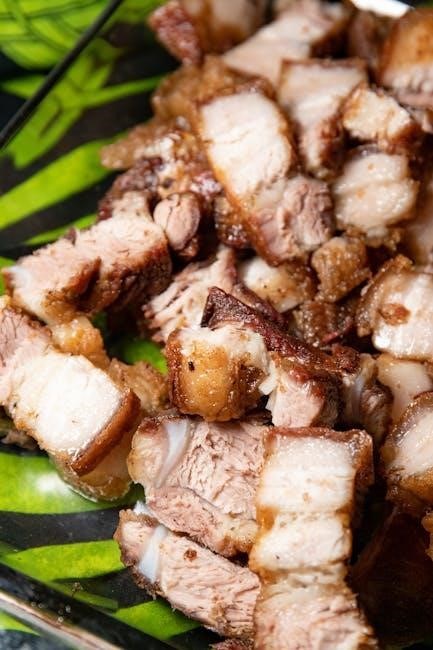
Fry for approximately 3-4 minutes per side, or until the breading is a rich, golden brown and the pork is cooked through․ Use tongs to carefully flip the rolls, avoiding piercing the breading․ A meat thermometer inserted into the thickest part should register 145°F (63°C)․
Remove the fried schnitzel rolls from the oil and place them on a wire rack lined with paper towels to drain excess oil․ This ensures a crispy, non-greasy finish․ Serve immediately for optimal enjoyment!
Achieving Golden Brown Perfection
The hallmark of a truly exceptional pork schnitzel roll is its beautiful, golden-brown crust․ This isn’t merely about aesthetics; it signifies a perfectly cooked, crispy exterior that gives way to tender, flavorful pork within․ Maintaining the correct oil temperature is paramount – around 350°F (175°C) is ideal․
Consistent color indicates even cooking․ If the breading browns too quickly, reduce the heat slightly․ Conversely, if it’s taking too long, increase it․ Avoid burning by closely monitoring the rolls during frying․ A light, even coating of breadcrumbs is key to achieving uniform browning․
Proper draining after frying is also crucial․ Placing the schnitzel rolls on a wire rack allows excess oil to drip away, preventing sogginess and ensuring maximum crispness․ Serve immediately to savor that perfect crunch!
Variations and Additions
Beyond the classic, pork schnitzel rolls offer exciting avenues for culinary creativity! Explore Italian-inspired roll-ups by incorporating seasoned pork sausage meat with breadcrumbs and thyme, creating a robust and flavorful filling․ This adds a delightful Mediterranean twist to the traditional dish․
Don’t limit yourself to ham and cheese; experiment with different cheese varieties like provolone, mozzarella, or even a smoky gouda․ Infuse the pork with aromatic herbs and spices – paprika, garlic powder, or a pinch of cayenne pepper can elevate the flavor profile․
Consider adding a layer of sautéed mushrooms or spinach for extra texture and nutrients․ A drizzle of lemon juice after frying brightens the flavors, completing a truly personalized schnitzel experience․
Italian Pork Schnitzel Roll-Ups
Transport your taste buds to Italy with these flavorful pork schnitzel roll-ups! Begin by removing the meat from pork sausages and placing it into a mixing bowl․ Combine this savory pork with breadcrumbs and a generous sprinkle of fresh thyme, ensuring a well-integrated mixture․
Carefully open up your leg steaks, creating a flat surface for the filling․ Spread the pork sausage and breadcrumb mixture evenly across each steak, then gently roll them up, securing the filling within․ These rolls are then ready for the traditional schnitzel breading process – flour, egg wash, and breadcrumbs – before being fried to golden, crispy perfection․
This variation delivers a delightful Italian flair, offering a unique and satisfying twist on the classic pork schnitzel roll․
Incorporating Herbs and Spices
Elevate your pork schnitzel rolls with a symphony of herbs and spices! Don’t limit yourself to simple salt and pepper; explore a world of flavor possibilities․ Consider adding a pinch of paprika to the flour coating for a subtle smoky note and a beautiful color․ Garlic powder and onion powder are also excellent additions, enhancing the savory profile․
For a more complex flavor, incorporate dried herbs like marjoram, thyme, or rosemary directly into the breadcrumb mixture․ Fresh herbs, finely chopped, can also be added to the pork filling itself, alongside the ham and cheese․ A dash of cayenne pepper offers a gentle warmth, while a sprinkle of nutmeg complements the richness of the pork․
Experiment and discover your perfect blend – the possibilities are endless!
Serving Suggestions
Present your golden-brown pork schnitzel rolls with delightful accompaniments! These savory rolls are incredibly versatile and pair beautifully with a variety of sides․ Classic choices include a vibrant green salad tossed with a light vinaigrette, offering a refreshing contrast to the richness of the pork․
Creamy mashed potatoes or roasted potatoes are also excellent options, soaking up any delicious pan juices․ For a touch of sweetness, consider serving with a side of applesauce or a simple fruit salad․ Don’t forget the vegetables – steamed asparagus, green beans, or glazed carrots add color and nutrition to the plate․
A squeeze of fresh lemon juice over the schnitzel just before serving brightens the flavors and adds a zesty finish․
Classic Side Dishes
Elevate your pork schnitzel roll experience with traditional accompaniments! German cuisine boasts several classic side dishes that perfectly complement the savory flavors of schnitzel․ A quintessential pairing is Kartoffelsalat – German potato salad, often served warm with a vinegar-based dressing, offering a tangy counterpoint․
Spätzle, a type of soft egg noodle, is another beloved choice, frequently tossed in butter and herbs․ Red cabbage, braised until tender and slightly sweet, provides a vibrant color and textural contrast․ For a simpler option, a crisp green salad with a light vinaigrette cleanses the palate․
Don’t underestimate the power of simple roasted potatoes, seasoned with salt, pepper, and perhaps a touch of paprika․ These sides create a truly satisfying and authentic meal․
Sauce Pairings
Enhance the flavor profile of your pork schnitzel rolls with carefully selected sauces! While schnitzel is delicious on its own, a well-chosen sauce can elevate the dining experience․ A classic accompaniment is Zitronensauce – lemon butter sauce, offering a bright, citrusy tang that cuts through the richness of the pork․
For those who prefer a creamy texture, a mushroom sauce, made with sautéed mushrooms and a touch of cream, is an excellent choice․ A vibrant cranberry sauce provides a sweet and tart contrast, particularly enjoyable during the holiday season․
Alternatively, a simple horseradish cream sauce adds a spicy kick․ Don’t be afraid to experiment with other sauces like a Dijon mustard sauce or even a light apple chutney to discover your perfect pairing!
Preserving Pork: An Overview
Historically, preserving pork was crucial for extending its usability beyond the immediate harvest․ Methods like curing, smoking, and salting were employed to inhibit bacterial growth and prevent spoilage, ensuring a food supply throughout the year․ Ham, gammon, and bacon are prime examples of pork products benefiting from these techniques․
Curing involves using salt, nitrates, and sometimes sugar to draw out moisture and create an environment unfavorable to microorganisms․ Smoking adds flavor and further aids preservation․ These processes not only extend shelf life but also develop unique and desirable flavors․
Understanding these preservation methods provides context to the availability of ingredients like ham used within the schnitzel rolls, showcasing a long tradition of utilizing pork in diverse culinary applications․
Curing Methods for Pork
Several curing methods transform fresh pork into flavorful, long-lasting products․ Dry curing involves rubbing the pork with a mixture of salt, sugar, and spices, allowing the cure to penetrate over time․ This method, often used for pancetta and prosciutto, results in a concentrated flavor and firm texture․
Wet curing, conversely, submerges the pork in a brine solution containing salt, sugar, nitrates, and seasonings․ This is common for hams and bacon, yielding a more evenly cured product․ The nitrates contribute to color and inhibit botulism․
Smoking, frequently combined with curing, adds another layer of preservation and flavor․ Different wood types impart unique smoky notes․ These cured pork products, like the ham used in schnitzel rolls, demonstrate the art of extending pork’s usability․
Examples of Preserved Pork Products
The world of preserved pork is remarkably diverse, offering a spectrum of flavors and textures․ Ham, a cornerstone of many cuisines, is typically cured and often smoked, providing a salty, savory element perfect for our schnitzel rolls․ Bacon, another popular choice, undergoes a similar curing and smoking process, delivering a crispy, smoky flavor․
Pork sausage, often seasoned with herbs and spices, benefits from curing to enhance its shelf life and develop its characteristic taste․ Gammon, a cured and smoked pork leg, provides a robust flavor profile․ Pancetta, an Italian dry-cured pork belly, offers a rich, intense taste․
These preserved pork products showcase the ingenuity of food preservation techniques, transforming a perishable ingredient into a culinary staple, enhancing dishes like our pork schnitzel rolls․
Pulled Pork: A Related Technique
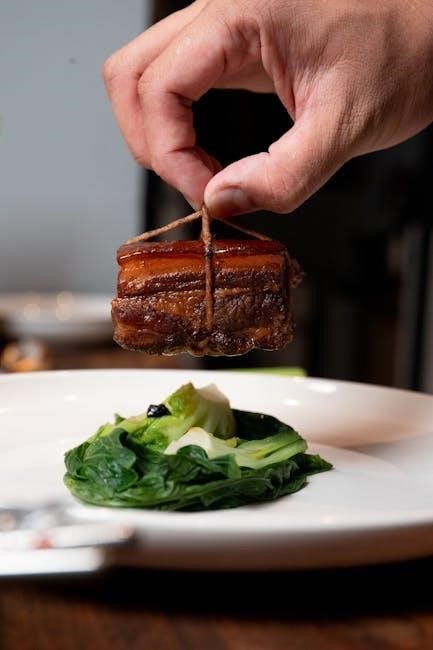
While distinct from schnitzel, pulled pork demonstrates the versatility of pork cookery․ This technique involves slow-cooking pork, typically shoulder or butt, until it becomes incredibly tender and easily shredded․ The key lies in low and slow heat, often utilizing a smoker or slow cooker, transforming tougher cuts into succulent, flavorful meat․
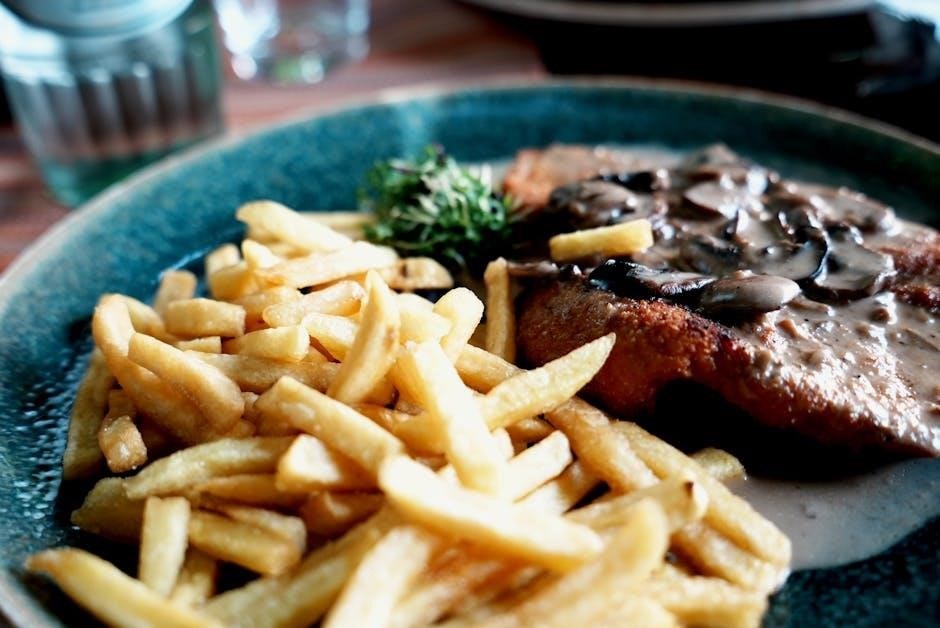
Pulled pork relies heavily on rubs – dry spice blends applied before cooking – to build layers of flavor․ Common ingredients include paprika, garlic powder, onion powder, and brown sugar․ The resulting pulled pork is often served on buns, with barbecue sauce, and alongside classic sides like coleslaw and baked beans․
Though different in method, both pulled pork and schnitzel highlight pork’s adaptability, showcasing its potential for diverse culinary applications․
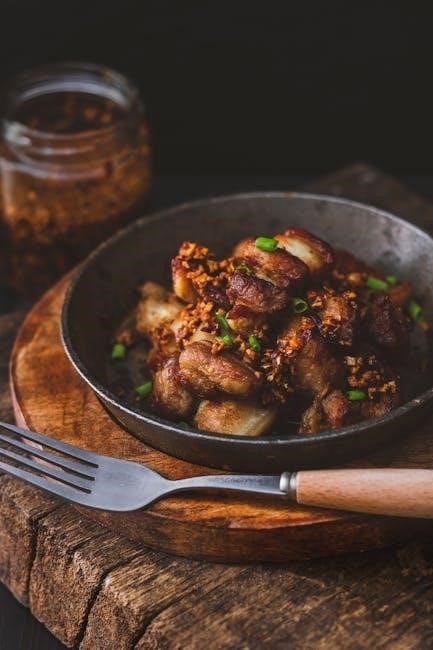
Pulled Pork Rubs and Recipes
Elevating pulled pork begins with a masterful rub․ A foundational rub often combines brown sugar for sweetness, paprika for color and mild heat, garlic powder, onion powder, and a touch of cayenne pepper for a kick․ Variations abound, incorporating cumin, chili powder, or even coffee grounds for depth․
A simple rub recipe: Combine 1/4 cup brown sugar, 2 tablespoons paprika, 1 tablespoon garlic powder, 1 tablespoon onion powder, 1 teaspoon cayenne pepper, 1 teaspoon black pepper, and 1 teaspoon salt․ Generously coat the pork shoulder with this mixture before cooking․
Beyond the rub, recipes vary in cooking method – smoking, oven-braising, or slow-cooking․ Regardless, the goal is tender, shreddable pork infused with smoky, savory flavors․ Experimenting with different rubs unlocks a world of pulled pork possibilities!