Article Plan: PVC Electrical Conduit Installation Guide
This guide details planning, installation, and safety for PVC conduit systems, referencing PDF resources for electrical wiring and manufactured goods.
Polyvinyl chloride (PVC) conduit is a widely utilized protective raceway for electrical wiring, offering a robust and cost-effective solution for various applications. Installation guides, often available in PDF format, emphasize its non-conductive nature, providing excellent electrical insulation. PVC conduit shields wires from physical damage, moisture, and corrosive elements, enhancing system safety and longevity.
These guides detail proper installation techniques, covering everything from planning the conduit run to securing and supporting the system. Understanding the benefits and limitations of PVC, as outlined in these resources, is crucial for a successful and code-compliant installation. Proper selection and implementation are key to a reliable electrical infrastructure.
Benefits of Using PVC Conduit
PVC conduit offers numerous advantages, detailed in installation PDFs, making it a preferred choice for many electrical projects. Its inherent resistance to corrosion, moisture, and chemicals ensures long-term reliability, even in harsh environments. PVC is lightweight, simplifying installation and reducing labor costs.
Furthermore, it’s non-conductive, enhancing electrical safety. Installation guides highlight its cost-effectiveness compared to metallic alternatives. PVC conduit minimizes the need for grounding, simplifying the overall system design. Properly installed, as per PDF instructions, it provides a secure and durable pathway for electrical wiring, contributing to a safe and efficient electrical system.
Types of PVC Conduit
PVC conduit isn’t one-size-fits-all; installation PDFs detail different types for varying applications. Primarily, Schedule 40 and Schedule 80 are the most common. Schedule 40 is generally used for most standard electrical installations, offering a balance of strength and cost-effectiveness.
Schedule 80, however, provides a thicker wall, increasing its impact resistance and suitability for exposed or demanding locations. PDFs emphasize selecting the correct schedule based on environmental factors and code requirements. Understanding these distinctions, as outlined in installation guides, is crucial for a safe and compliant electrical system.
3.1 Schedule 40 PVC Conduit
Schedule 40 PVC conduit, detailed in installation PDFs, is the workhorse for typical indoor and outdoor electrical runs. It offers good rigidity and impact strength for general use, making it a cost-effective choice. Installation guides specify its suitability for most dry locations and some wet locations when properly sealed.
PDFs highlight that Schedule 40 is readily available in various sizes and lengths, simplifying installation. However, it’s crucial to consult installation documentation to confirm it meets local electrical codes and is appropriate for the specific application, especially regarding direct burial or physical protection needs.
3.2 Schedule 80 PVC Conduit
Schedule 80 PVC conduit, as detailed in installation PDFs, provides significantly increased wall thickness and strength compared to Schedule 40. This makes it ideal for applications demanding greater protection against physical damage, like industrial settings or areas prone to impact. PDFs emphasize its suitability for direct burial and exposed locations requiring robust durability.
Installation guides specify Schedule 80’s higher cost but justify it for critical applications. While more challenging to cut and bend, its superior strength ensures long-term reliability. Always verify local codes and consult installation PDFs to confirm Schedule 80 is necessary for your specific project requirements.
Tools and Materials Required
Essential tools, outlined in PVC conduit installation PDFs, include conduit cutters (wheel or saw type), measuring tapes, markers, and appropriate bending tools. Materials encompass PVC conduit sections, couplings, connectors, and boxes. Crucially, a primer and PVC cement are required for solvent welding joints – PDFs stress using compatible formulations.
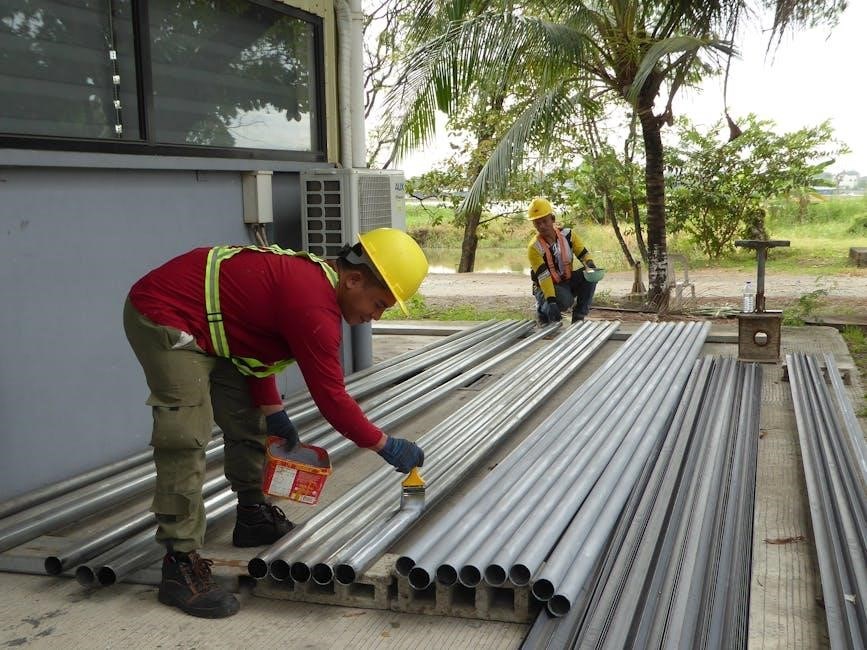
Safety gear like gloves and eye protection are non-negotiable. Depending on the installation, you may also need a drill, bits for securing conduit, and fish tape for wire pulling. Detailed PDFs often provide specific tool recommendations based on conduit schedule and installation complexity.
4;1 Cutting Tools
PVC conduit installation PDFs emphasize using appropriate cutting tools for clean, square cuts. Wheel-type cutters are ideal for Schedule 40 conduit, providing a quick and precise cut. For thicker Schedule 80, a saw – either hand or power – is often necessary. Importantly, deburring tools or files are crucial to remove sharp edges after cutting, preventing damage to wires during installation.
Avoid using tools that create ragged or uneven edges, as these can compromise joint integrity. PDFs often caution against using abrasive saws without proper blade selection, as they can melt the PVC. Always wear safety glasses when cutting conduit.
4.2 Joining Methods & Materials (Primer & Cement)
PVC conduit installation guides consistently highlight the critical role of primer and cement for watertight, long-lasting joints. Primer softens the PVC surface, preparing it to bond with the cement. Applying both generously, yet not excessively, is key. PDF resources stress using a cement specifically formulated for PVC, ensuring compatibility and a strong chemical weld.
Proper application technique – primer first, then cement immediately – is vital; Avoid allowing the cement to dry before joining the conduit sections. Many guides warn against using substitutes for primer, as they can lead to joint failure over time.
4.3 Bending Tools
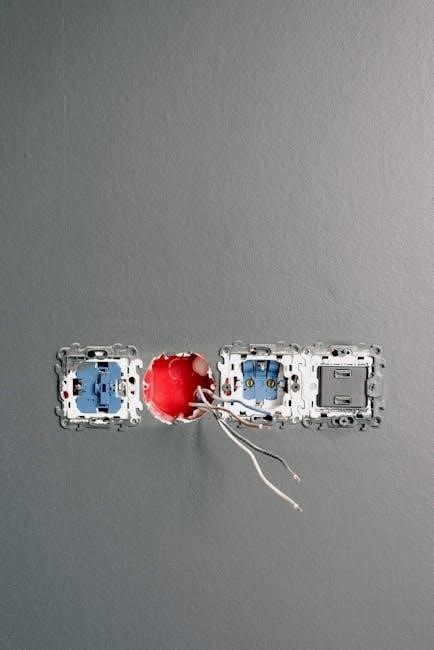
PVC conduit installation guides detail various bending tools, categorized for hot and cold bending techniques. PDF resources often showcase conduit benders – lever-type and side-bend – for creating smooth, accurate bends without kinking. Heat blankets or heat guns are essential for hot bending, allowing the PVC to become pliable.
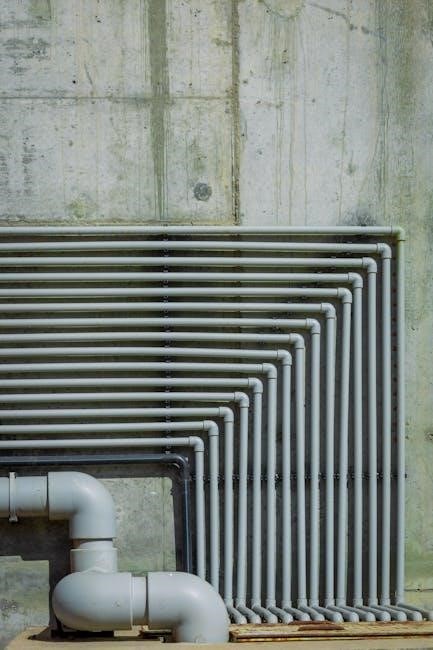
Careful consideration of bending radius is crucial; exceeding limits can weaken the conduit. Guides emphasize using the correct size bender for the conduit diameter. Proper technique prevents cracking or deformation, ensuring the conduit maintains its structural integrity and code compliance.
Planning the Conduit Run
PVC conduit installation guides, often available as PDF documents, stress meticulous planning. This involves confirming existing electrical supply locations and identifying potential obstructions. Coordinating with site services is paramount, ensuring the conduit route doesn’t interfere with plumbing, HVAC, or structural elements.
A well-planned run minimizes bends, reducing voltage drop and simplifying installation. PDF resources highlight the importance of checking planned locations against building codes and safety regulations. Accurate planning prevents costly rework and ensures a compliant, efficient electrical system.
Measuring and Marking Conduit Locations
PVC conduit installation guides, frequently found as PDFs, emphasize precise measurement and marking. Begin by accurately measuring the required conduit lengths, accounting for fittings and boxes. Mark locations for conduit supports, ensuring compliance with spacing requirements detailed in relevant codes.
Utilize appropriate tools – levels, tape measures, and marking pens – for accuracy. PDF resources often include diagrams illustrating proper marking techniques. Double-check all measurements before cutting or bending conduit; errors here can lead to significant issues later in the installation process, impacting safety and functionality.
Conduit Bending Techniques
PVC conduit installation guides, often available as PDFs, detail both hot and cold bending methods. Cold bending, suitable for smaller diameters, requires a bending guide and careful application of force to avoid kinking. Hot bending, utilizing heat blankets or torches, allows for tighter bends but demands caution to prevent conduit damage.
PDF resources illustrate proper bending angles and techniques. Always prioritize smooth, gradual bends to maintain conduit integrity and minimize wire pull stress. Accurate bending minimizes unnecessary fittings, streamlining the installation and enhancing its reliability. Practice and adherence to PDF instructions are crucial for successful bending.
7.1 Hot Bending
PDF installation guides emphasize that hot bending PVC conduit requires specialized equipment like heat blankets or heat guns, ensuring even heat distribution. Uniform heating allows the PVC to become pliable for forming tight bends without weakening the material. PDFs caution against direct flame application, which can cause scorching and compromise conduit strength.
Proper technique, detailed in PDF resources, involves slowly heating the bending section, forming the bend, and then immediately cooling it with water to maintain the shape. Safety precautions, outlined in PDFs, include wearing heat-resistant gloves and eye protection during the process.
7.2 Cold Bending
PDF guides detail cold bending as a suitable method for Schedule 40 PVC conduit, particularly for larger diameters where hot bending becomes impractical. This technique relies on leveraging the conduit’s inherent flexibility, utilizing bending guides and forms to achieve desired angles. PDF resources stress the importance of avoiding sharp bends, which can create stress points and potential failure areas.
Installation PDFs recommend pre-lubricating the bending area to reduce friction and ensure a smooth, controlled bend. Proper support during bending is crucial, as outlined in PDFs, to prevent kinking or deformation. Cold bending is often preferred for on-site adjustments.
Cutting PVC Conduit
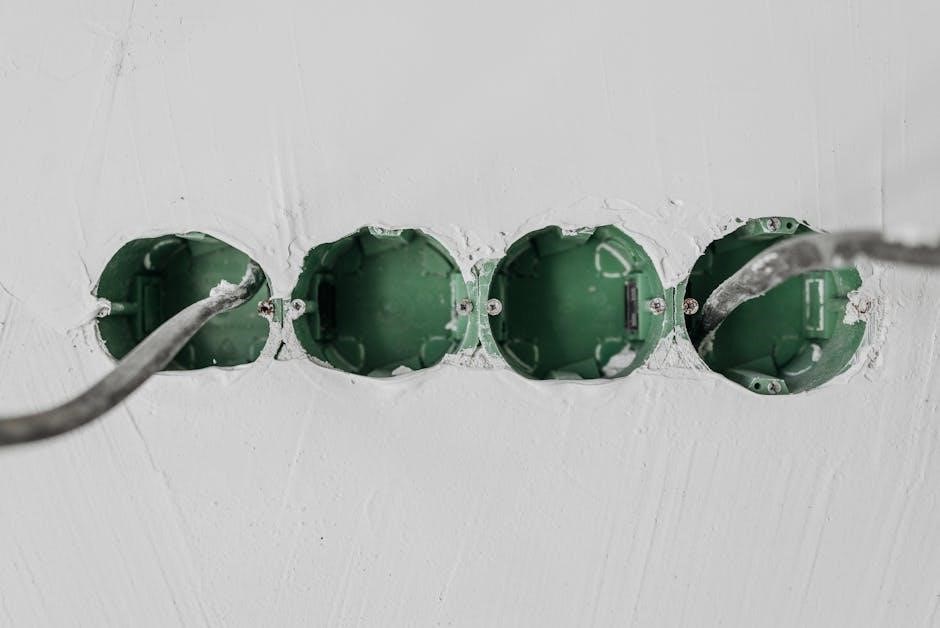
PDF installation guides emphasize using appropriate cutting tools – typically PVC cutters, saws, or specialized pipe cutters – to achieve clean, square cuts. Avoid using tools that can cause cracking or chipping, as these imperfections compromise joint integrity. PDF resources highlight the importance of deburring the cut edges thoroughly to remove any sharp edges or plastic shavings.
Proper cutting ensures a flush fit when joining conduit sections. PDF documents often illustrate correct cutting techniques, stressing the need for consistent, even pressure. Incorrect cuts can lead to leaks or structural weaknesses, as detailed in installation PDFs, necessitating rework and potential safety hazards.
Joining PVC Conduit
PDF guides consistently stress the critical importance of proper joining techniques for a watertight and secure electrical system. This involves a two-step process: applying PVC primer followed by PVC cement. The primer softens the PVC surface, enabling the cement to create a strong, permanent bond, as detailed in installation PDFs.
PDF resources emphasize applying primer and cement generously and evenly around both the inside of the fitting and the outside of the conduit. Immediate assembly after cement application is crucial. Avoid twisting during insertion, ensuring a full, uniform connection. Improperly glued joints, highlighted in troubleshooting PDFs, are a common source of failure.
9.1 Proper Use of Primer and Cement
PDF installation guides universally recommend using primer and cement specifically designed for PVC. The primer’s role, detailed in several PDFs, is to chemically soften the PVC surfaces, preparing them for a robust weld. Apply liberally with a dauber, ensuring complete coverage on both the conduit end and the fitting’s socket.
Follow immediately with cement, also applied generously. Quick assembly is vital – within seconds – to maximize the chemical reaction. Rotate the conduit slightly during insertion, avoiding twisting motions. PDF resources warn against solvent welding in damp or extremely cold conditions, impacting bond strength. Always check PDF safety guidelines.
9.2 Ensuring a Watertight Seal
PDF guides emphasize a watertight seal is paramount, especially for outdoor or damp locations. Proper primer and cement application, as detailed in installation PDFs, is the first step. After joining, inspect the bead of cement – it should be consistent and fully encompass the socket.
Allow adequate curing time, typically outlined in the cement’s PDF data sheet, before applying any stress or backfilling. Some PDFs recommend testing joints with water pressure to verify integrity. Utilize appropriate PVC fittings and ensure they are correctly matched to the conduit size. A failed seal compromises safety and code compliance, as highlighted in numerous PDF resources.
Supporting and Securing Conduit
PDF installation guides stress proper support to prevent stress on joints and maintain conduit alignment. Support spacing, detailed in electrical codes and PDF resources, depends on conduit size and fill capacity. Utilize approved straps, clamps, and hangers, ensuring they are compatible with PVC.
Secure conduit runs at intervals specified in relevant PDF documentation, typically every 10 feet or as dictated by local regulations. Avoid over-tightening straps, which can damage the conduit. Consider expansion and contraction due to temperature changes, as outlined in some PDFs, and allow for movement. Proper securing prevents sagging and potential damage, ensuring a safe and reliable installation, as detailed in installation PDFs.
Common Installation Mistakes to Avoid
PDF guides highlight frequent errors like using incorrect conduit schedules for the application – Schedule 40 for general use, Schedule 80 for higher demands. Insufficient support, leading to sagging or joint stress, is another common issue detailed in installation PDFs.
Failing to account for thermal expansion/contraction, addressed in some PDF resources, can cause joint failures. Excessive bends increase wiring difficulty and voltage drop. Improperly glued joints, a critical point in many PDFs, result in unreliable, potentially hazardous connections. Always follow PDF instructions regarding primer and cement application for a watertight seal, ensuring a long-lasting, safe installation.

Electrical Isolation Procedures
PDF training materials emphasize confirming the existing electrical supply is de-energized before commencing work; Following strict procedures for electrical isolation is paramount, as detailed in unit one of several PDF guides. This involves identifying the specific circuits and implementing lock-out/tag-out procedures.
Carry-out isolation procedures meticulously, verifying zero voltage with appropriate testing equipment, as outlined in PDF safety documentation. Proper isolation prevents accidental energization, safeguarding installers and ensuring a safe working environment. Coordination of site services, also covered in PDF resources, is crucial to avoid conflicts during isolation and installation.
Coordinating Site Services
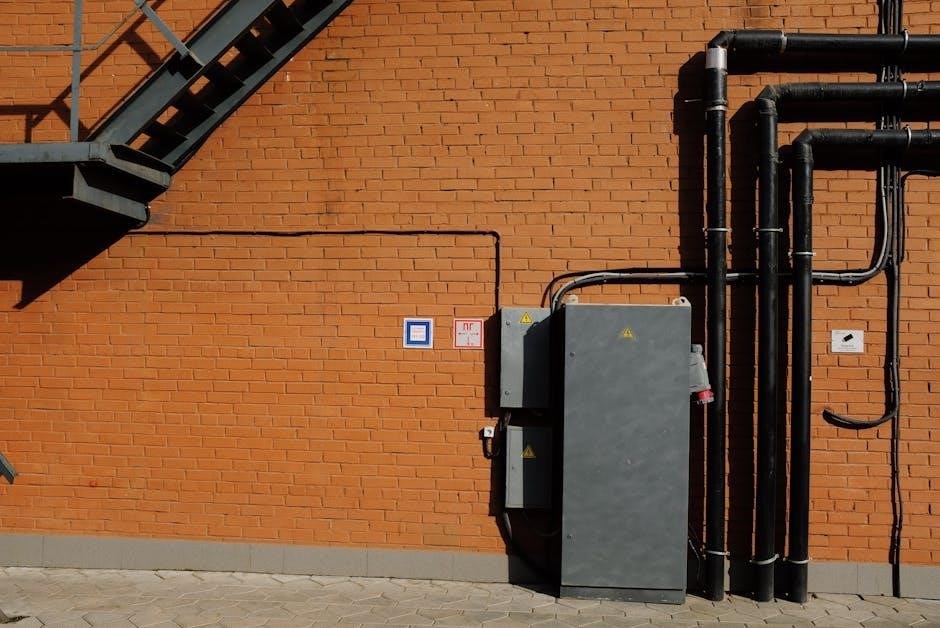
PDF training guides highlight the necessity of coordinating with all relevant site services before beginning PVC conduit installation; This proactive approach, detailed in learning materials, prevents conflicts with plumbing, HVAC, and structural elements. Confirming existing electrical supply locations and planned routes is essential, as outlined in PDF documentation.
Effective coordination minimizes rework and delays, ensuring a smooth installation process. Following established procedures, detailed in PDF resources, guarantees that the conduit run doesn’t interfere with other systems. Proper communication and collaboration with other trades are key to a successful project, as emphasized in the PDF guides.
Code Compliance and Safety Regulations
PDF installation guides stress strict adherence to local and national electrical codes throughout the PVC conduit installation process. These regulations dictate proper grounding, support spacing, and burial depths, ensuring a safe and reliable electrical system. Ignoring these standards can lead to hazards and failed inspections, as detailed in PDF documentation.
Safety regulations mandate the use of appropriate personal protective equipment (PPE) and adherence to lockout/tagout procedures during electrical isolation. PDF resources emphasize the importance of qualified personnel performing the work and obtaining necessary permits. Compliance minimizes risks and guarantees a legally sound installation, as highlighted in the PDF guides.
Inspection and Testing
PDF guides highlight thorough inspection as crucial post-installation. This includes visually checking all joints for proper cement application and ensuring secure conduit support at specified intervals. Continuity testing verifies proper grounding and the absence of shorts, as detailed in the PDF resources.
Pull tests, outlined in PDF documentation, confirm the conduit’s ability to safely accommodate conductors. Voltage testing, performed by qualified personnel, validates electrical isolation and system integrity. Detailed records of these tests, often included as appendices in PDF guides, are essential for demonstrating code compliance and ensuring long-term system reliability.
Troubleshooting Common Issues
PDF installation guides often address frequent problems like conduit cracking during bending – typically due to insufficient heating or excessive force. Leaks at joints, a common issue detailed in PDF resources, usually stem from inadequate primer/cement application or contaminated surfaces. Difficulty pulling wires can indicate too many bends, or an incorrect conduit size, as noted in several PDF documents.
Troubleshooting also involves verifying proper grounding and addressing issues with conduit support. PDF guides emphasize the importance of re-testing after any repairs. Always consult the complete PDF for detailed diagnostic steps and safety precautions before attempting any corrective actions.
PVC Conduit Installation Method Statement
PDF method statements outline a sequential process: confirming electrical supply, coordinating site services, and implementing electrical isolation procedures – all crucial pre-installation steps. Detailed PDF guides emphasize precise measurement and marking of conduit locations, followed by careful bending and cutting techniques.
Jointing, using primer and cement as detailed in PDF resources, must ensure watertight seals. Proper support and securing of the conduit are paramount, adhering to specified spacing. The PDF method statement concludes with inspection and testing, verifying code compliance and a safe, reliable installation.